Skip to content
Owning a pool in the Dallas-Fort Worth area brings your family closer together—and keeps everyone cool during those long Texas summers. But keeping your water clear and swim-ready takes more than tossing in chlorine when the pool looks cloudy. Noah’s Pool Service helps DFW pool owners eliminate the weekly maintenance tasks that slip through the cracks, so you can spend more time enjoying your backyard and less time worrying about water chemistry.
The truth is, most homeowners remember to skim leaves. Fewer remember to brush the walls. And almost nobody checks the pump basket as often as they should. This guide walks you through the seven tasks that get skipped most often—and explains why each one matters for your pool’s health.
Quick guide: 7 weekly pool tasks homeowners miss most often
- Brushing walls and steps: The task most likely to prevent algae buildup in hard-to-reach spots
- Emptying the pump basket: Protects your pump motor and keeps water flowing
- Testing water chemistry: Catches imbalances before they become expensive problems
- Cleaning the skimmer basket: Maintains proper circulation and reduces strain on equipment
- Checking filter pressure: Helps you know when cleaning is actually needed
- Inspecting equipment pads: Spots leaks and odd sounds before repairs get costly
- Wiping the waterline tile: Prevents buildup that becomes harder to remove over time
How we identified the most commonly missed pool tasks
After more than 20 years serving DFW area pool owners, we know which tasks get skipped—because we see the results. Noah’s Pool Service has built our weekly routines around what actually keeps pools clear, not what sounds good on paper.
We focused on tasks that meet these criteria:
- Quick to skip, costly to ignore: Tasks that seem small but lead to algae, equipment strain, or cloudy water when forgotten
- Often misunderstood: Jobs where homeowners may not realize the purpose or proper technique
- Time-sensitive in Texas heat: Maintenance that matters more in DFW because warm water and intense sun accelerate problems
- Directly tied to water clarity: Chores where one missed week can mean a green pool by Friday
- Equipment protection: Tasks that extend the life of your pump, filter, and heater when done consistently
The 7 weekly pool tasks homeowners miss most often
1. Brushing walls and steps: The task that prevents algae before it starts
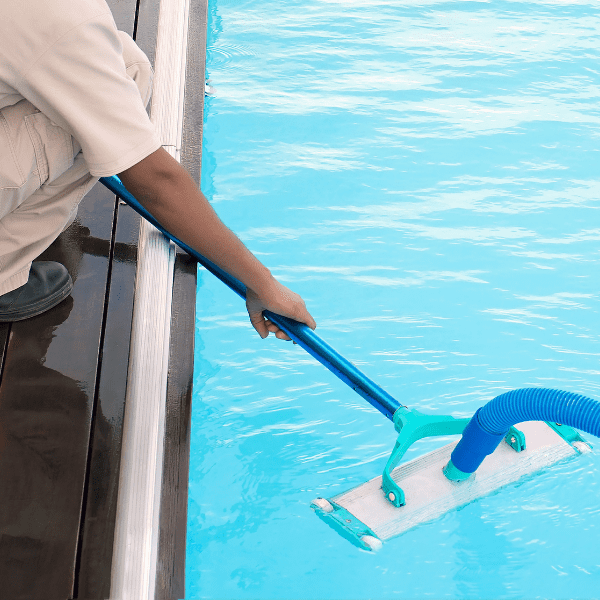
Brushing is the single most overlooked chore in pool care. Many homeowners assume that if the water looks clear, the walls must be fine. But algae and biofilm start in spots where circulation is weak—steps, corners, behind ladders, and under return fittings. Noah’s Pool Service makes brushing part of every visit because chlorine works better when surfaces are not protected by a slippery layer.
Brushing once a week disrupts algae growth before it becomes visible. If you wait until you see green, you’re already behind. Texas heat accelerates algae development, so a pool that looked fine on Monday can have visible growth by the weekend.
Brushing walls and steps benefits
- Disrupts early-stage algae: Removes biofilm before it becomes a visible outbreak, keeping your water consistently clear
- Improves chlorine effectiveness: Clean surfaces allow sanitizer to work on bacteria in the water instead of fighting buildup on walls
- Protects pool finishes: Regular brushing prevents staining and keeps plaster, pebble, or tile looking their finest
- Targets weak circulation zones: Steps, benches, and corners get attention that automatic cleaners often miss
- Reduces chemical demand: A brushed pool needs less shock treatment because problems get caught early
Brushing walls and steps pros and cons
Pros:
- Takes just 10-15 minutes when done weekly
- Requires no chemicals or special equipment beyond a pool brush
- Creates noticeable results in water clarity over time
Cons:
- Easy to forget when the pool looks clean—setting a calendar reminder helps
- Requires different brush types for different surfaces (nylon for vinyl, stainless steel for concrete)
- Can stir up debris temporarily, so timing matters before guests arrive
2. Emptying the pump basket: Circulation starts here
The pump basket catches debris before it reaches your filter. When this basket fills up, water flow drops and your pump motor works harder. Over time, restricted flow can overheat the pump and lead to repairs that cost far more than a weekly basket check.
Many homeowners remember the skimmer basket because it’s visible from the deck. The pump basket, tucked away at the equipment pad, is easier to forget. Noah’s Pool Service checks both on every visit because good circulation is the foundation of clear water.
Emptying the pump basket benefits
- Protects pump motor life: Consistent water flow prevents overheating and extends equipment longevity
- Maintains filter efficiency: When debris gets caught early, your filter handles finer particles instead of large clogs
- Keeps chemical distribution even: Water that circulates properly carries sanitizer throughout the pool
Emptying the pump basket pros and cons
Pros:
- Simple task that takes under five minutes
- Extends pump life when done consistently
- Gives you a chance to inspect the pump lid seal
Cons:
- Requires turning off the pump first, which some homeowners skip
- The basket may need replacement if the mesh develops holes
- Location near equipment pad makes it easy to forget compared to poolside tasks
3. Testing water chemistry: Numbers tell you what eyes cannot see
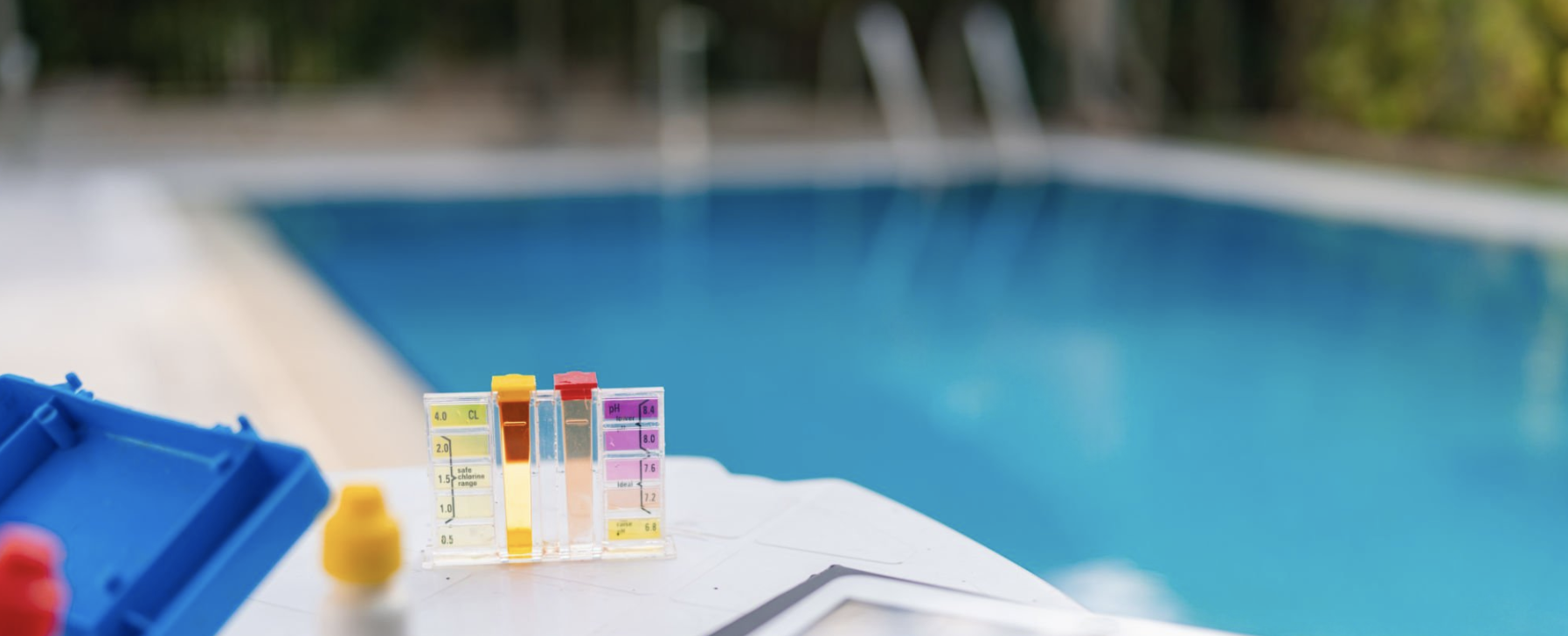
Clear water does not mean balanced water. pH can drift, chlorine can drop, and alkalinity can shift—all without visible signs until problems appear. The CDC recommends maintaining chlorine levels between 1-3 ppm and pH between 7.0-7.8 for safe swimming conditions.
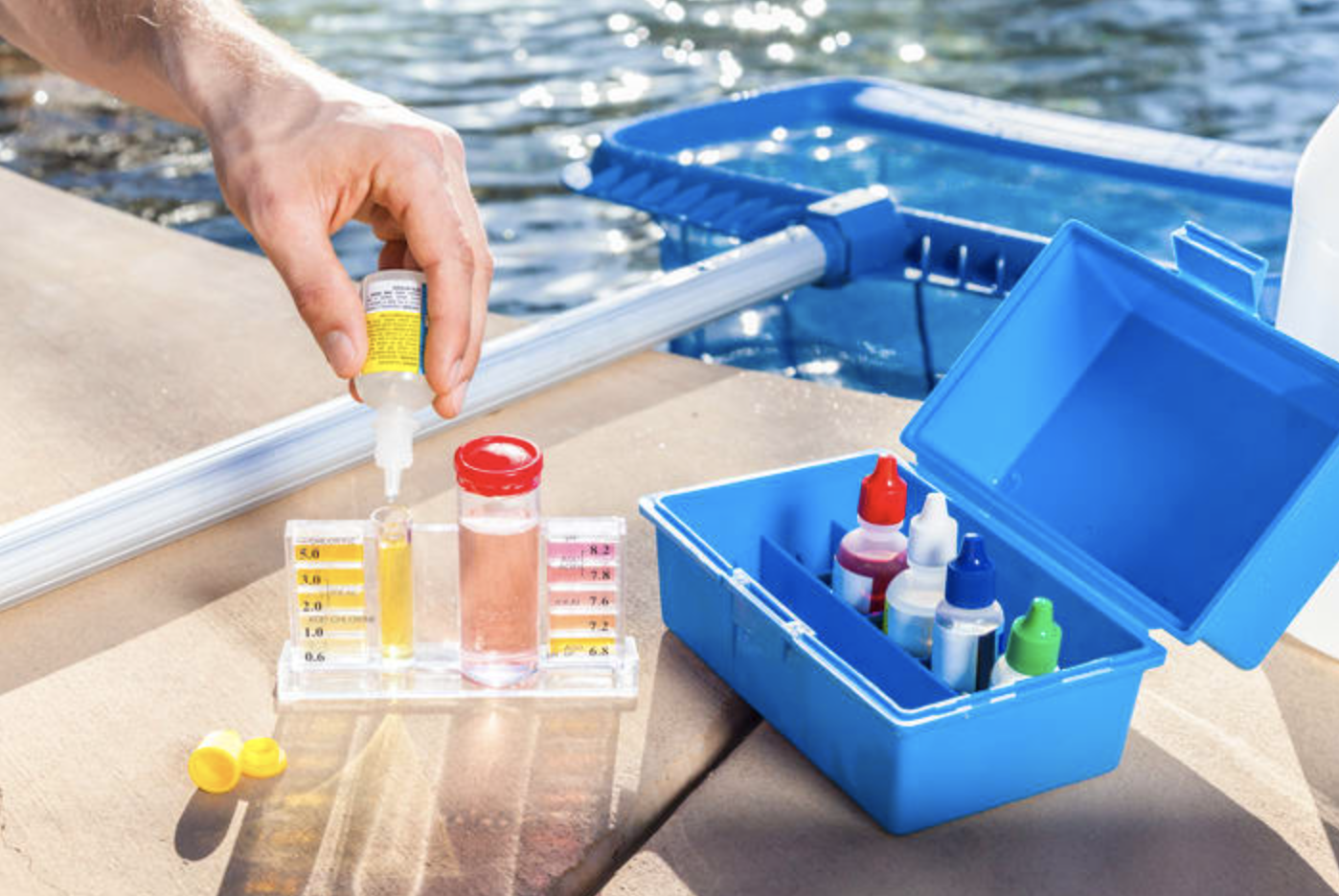
Testing takes just a few minutes with a quality test kit. Noah’s Pool Service tests and balances water chemistry on every weekly visit because catching imbalances early prevents cloudy water, algae outbreaks, and the skin irritation that comes from water that’s too acidic or too alkaline.
Testing water chemistry benefits
- Catches problems before they show: You can correct chlorine and pH drifts before algae or cloudiness appears
- Protects swimmer comfort: Balanced water means no eye irritation, dry skin, or unpleasant odors
- Extends equipment lifespan: Proper pH protects pumps, heaters, and surfaces from corrosion or scale buildup
Testing water chemistry pros and cons
Pros:
- Takes less than five minutes with a DPD test kit or test strips
- Prevents expensive shock treatments and algae removal
- Keeps swimmers safe from bacteria and irritation
Cons:
- Test kits need periodic replacement to stay accurate
- Results require interpretation and appropriate chemical adjustments
- May need to test more frequently during heavy use or after rain
4. Cleaning the skimmer basket: The first line of debris defense
The skimmer basket collects leaves, bugs, pollen, and other debris before they sink and decompose. A full skimmer basket reduces water flow and makes your pump work harder. During spring pollen season or after storms, DFW pools can fill a skimmer basket in a single day.
Checking the skimmer basket is quick work—lift the lid, pull the basket, dump it, and replace. Noah’s Pool Service empties skimmer baskets on every visit and recommends homeowners check between visits during heavy debris periods.
Cleaning the skimmer basket benefits
- Maintains circulation flow: A clear basket lets water move freely to the pump and filter
- Reduces chlorine consumption: Debris that decomposes in the pool uses up sanitizer faster
- Prevents staining: Leaves and organic matter can discolor pool surfaces if left too long
Cleaning the skimmer basket pros and cons
Pros:
- Takes less than one minute
- Visible from poolside, making it easier to remember
- Prevents larger problems with minimal effort
Cons:
- May need checking daily during windy weather or pollen season
- Basket weirs can stick if not kept clean
- Small debris may pass through if basket mesh is worn
5. Checking filter pressure: Your gauge tells you when to act
Many homeowners clean their filter on a calendar schedule instead of watching the pressure gauge. The gauge gives you real information. When pressure rises 8-10 psi above your clean baseline, the filter needs attention. Cleaning too often can actually reduce filtration efficiency.
Noah’s Pool Service records baseline pressure for each client’s system and monitors changes on weekly visits. This approach means we clean filters when they actually need it—not too early, not too late.
Checking filter pressure benefits
- Optimizes filtration timing: You clean when needed, not based on guesswork
- Catches equipment issues early: Sudden pressure changes can indicate clogs, leaks, or pump problems
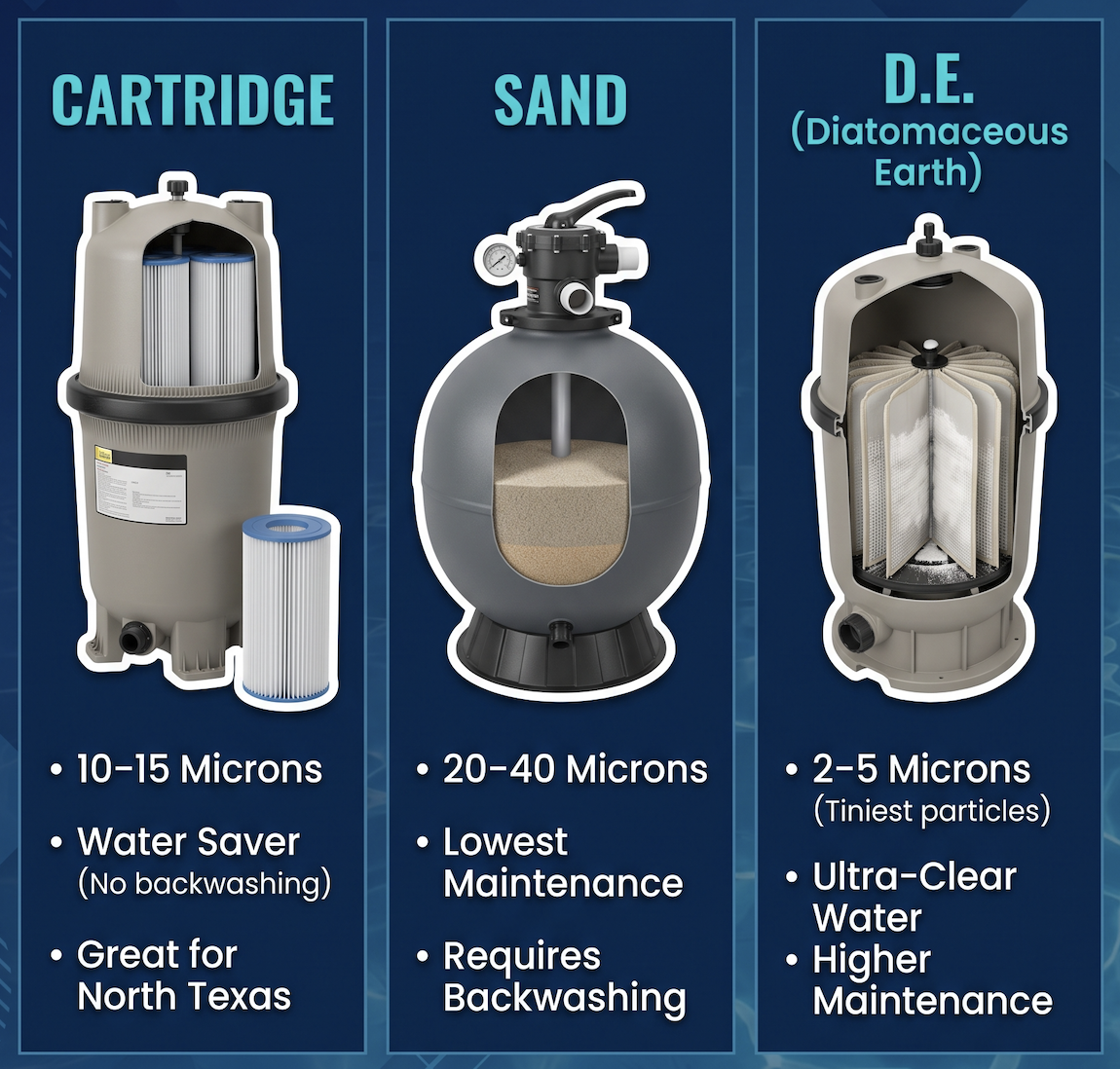
- Extends filter media life: Proper cleaning schedules help sand, DE, or cartridges last longer
Checking filter pressure pros and cons
Pros:
- Takes seconds to glance at the gauge
- Prevents over-cleaning or under-cleaning
- Early warning system for equipment problems
Cons:
- Requires knowing your baseline pressure to interpret readings
- Gauges can fail and need occasional replacement
- Different filter types (sand, cartridge, DE) have different cleaning procedures
6. Inspecting equipment pads: Listen and look for early warnings
Strange noises, new leaks, air bubbles in the return jets, or weak water flow are all signs something may be wrong at the equipment pad. Many homeowners never visit this area unless there’s an obvious problem—and by then, the repair bill is often higher.
A weekly walk past the equipment takes two minutes. Look for drips. Listen for grinding, whining, or unusual sounds. Check that valves are positioned correctly. Noah’s Pool Service inspects equipment on every visit because small issues caught early stay small.
Inspecting equipment pads benefits
- Catches leaks before they cause damage: A small drip today can become a flooded equipment area tomorrow
- Identifies pump and motor problems early: Unusual sounds often appear before complete failure
- Protects your investment: Pumps, heaters, and filters last longer when problems are addressed quickly
Inspecting equipment pads pros and cons
Pros:
- Takes just a couple of minutes
- No tools or expertise needed for basic visual checks
- Can save hundreds in repair costs when issues are caught early
Cons:
- Equipment areas can be out of sight and out of mind
- Some sounds are normal while others signal problems—experience helps
- Repairs still require professional help once issues are identified
7. Wiping the waterline tile: Prevent buildup before it sets
Oils from sunscreen, body lotions, and natural skin oils collect at the waterline. Pollen, dust, and minerals add to the ring. When this buildup sits too long, it bonds to tile and becomes much harder to remove later.
A quick wipe with a pool-safe sponge or cloth once a week keeps the tile line fresh. Avoid household cleaners that foam or add phosphates—these can create new chemistry problems. Noah’s Pool Service includes waterline cleaning as part of our service because a clean tile line makes the whole pool look better maintained.
Wiping the waterline tile benefits
- Keeps your pool looking its finest: A clean tile line creates a polished appearance
- Prevents permanent staining: Regular wiping stops buildup from bonding to surfaces
- Reduces scale formation: Especially important in DFW where hard water can leave mineral deposits
Wiping the waterline tile pros and cons
Pros:
- Simple task using items you likely already own
- Immediate visual improvement
- Prevents difficult cleaning jobs later
Cons:
- Requires pool-safe products—household cleaners can cause chemistry issues
- May need more attention during periods of heavy sunscreen use
- Existing buildup may need specialized cleaning before maintenance wiping works
Comparison table: 7 weekly pool tasks at a glance
| Task | Time Required | Tools Needed | Algae Prevention |
| Brushing walls and steps | 10-15 minutes | Pool brush | ✓ |
| Emptying pump basket | Under 5 minutes | None | Indirect |
| Testing water chemistry | Under 5 minutes | Test kit or strips | ✓ |
| Cleaning skimmer basket | Under 1 minute | None | Indirect |
| Checking filter pressure | Seconds | Pressure gauge | Indirect |
| Inspecting equipment | 2-3 minutes | None | Indirect |
| Wiping waterline tile | 5-10 minutes | Pool-safe sponge | ✗ |
What makes weekly pool care harder in the DFW area?
North Texas summers put unique pressure on pool maintenance. The heat accelerates chlorine consumption, and warm water creates ideal conditions for algae growth. One missed week during July can mean a green pool by the following weekend.
Storms bring their own challenges. Heavy rain dilutes chemicals and washes debris, dirt, and fertilizer runoff into your pool. After a DFW thunderstorm, testing and rebalancing is not optional—it’s essential for preventing a cloudy mess.
Many homeowners start strong in spring and fade by late summer. Life gets busy, and pools don’t care that you had a long week at work. This is where Noah’s Pool Service makes a difference. We bring consistency so you can enjoy your pool without worrying about what you might have forgotten.
How can professional weekly pool service help busy homeowners?
Doing it yourself works if you’re consistent. The challenge is that consistency requires time, knowledge, and attention every single week. A professional service brings experience that catches problems a homeowner might miss—a pump sound that’s slightly off, a pressure reading that’s trending wrong, or water chemistry that’s drifting toward trouble.
Noah’s Pool Service has served the DFW area since 1998. As a second-generation pool cleaning company, we’ve built our service around what actually keeps pools clear and equipment running smoothly. We test water, balance chemicals, empty baskets, brush surfaces, check equipment, and handle the small tasks that add up to big problems when they’re skipped.
Your time is your life and it is precious. Freedom to enjoy your pool without thinking or worrying about maintenance—this is our goal for all of our clients.
Why Noah’s Pool Service is the DFW area’s trusted choice for weekly pool maintenance
Noah’s Pool Service eliminates the weekly tasks that slip through the cracks. We make clients our first priority, and we’ve built our policies around client feedback since 1998. When you work with us, you get more than chemical treatments—you get a partner focused on protecting your time and peace of mind.
We offer different service tiers so all pool owners can achieve freedom from worry. Whether you need chemical-only visits or full signature service including vacuuming, netting, and equipment checks, Noah’s Pool Service has an option that fits your needs.
What sets us apart is our commitment to transparent communication and proactive care. We catch small problems before they become weekend emergencies. Our technicians are trained in-house and mentored to notice what matters—not just what’s obvious.
If you’re tired of wondering whether your pool is actually getting the attention it needs each week, let’s discuss your needs. You can change your level of pool cleaning service at any time by simply calling us.
FAQs about weekly pool maintenance tasks
How often should I brush my pool walls?
Brush at least once per week, focusing on steps, corners, and areas with weak circulation. Noah’s Pool Service includes brushing on every visit because consistent brushing prevents algae before it becomes visible. During hot Texas summers or after algae treatment, brushing more frequently helps the pool recover faster.
Why does my pool turn green even when I add chlorine?
Chlorine alone cannot prevent algae if walls aren’t brushed and circulation is poor. Algae attaches to surfaces where sanitizer has trouble reaching. Noah’s Pool Service addresses this by combining proper brushing, basket maintenance, and water chemistry testing on every weekly visit.
What is the proper pH range for pool water?
The CDC recommends maintaining pH between 7.0 and 7.8 for safe swimming. Within this range, chlorine works effectively and swimmer comfort stays high. Noah’s Pool Service tests pH on every visit and adjusts as needed to keep your water balanced.
How do I know when my pool filter needs cleaning?
Watch your pressure gauge. When the reading rises 8-10 psi above your clean baseline, it’s time to backwash or clean the cartridge. Noah’s Pool Service monitors filter pressure weekly and cleans based on actual readings rather than calendar schedules.
Can I skip pool maintenance during cooler months in Texas?
Pool maintenance continues year-round in DFW because temperatures rarely stay cold long enough to fully shut down algae growth. Reducing frequency is possible during winter, but skipping entirely invites problems. Noah’s Pool Service adjusts service schedules seasonally while maintaining the consistency your pool needs.
What tasks should I do between professional pool service visits?
Empty the skimmer basket if you notice debris accumulating. After storms or pool parties, a quick skim of the surface helps too. Noah’s Pool Service handles the technical tasks like water testing and equipment checks, freeing you to enjoy your pool without worrying about the details.
How does DFW weather affect weekly pool maintenance?
North Texas heat accelerates chlorine consumption and algae growth. Storms dilute chemistry and add debris. Noah’s Pool Service accounts for these local conditions on every visit, testing and adjusting to keep your water clear despite what the weather brings.